
You’ve probably seen it before: projects that start strong but slowly lose direction, budgets that spiral, and decisions that take too long. The missing piece? Project governance.
Whether you’re managing a small internal initiative or a large-scale transformation program, project governance provides the structure, accountability, and oversight needed to ensure projects stay on track, within budget, and aligned with organizational goals.
This blog cover topics including what project governance really means, why it matters, and how to build a framework that drives consistent project success.
What is Project Governance?
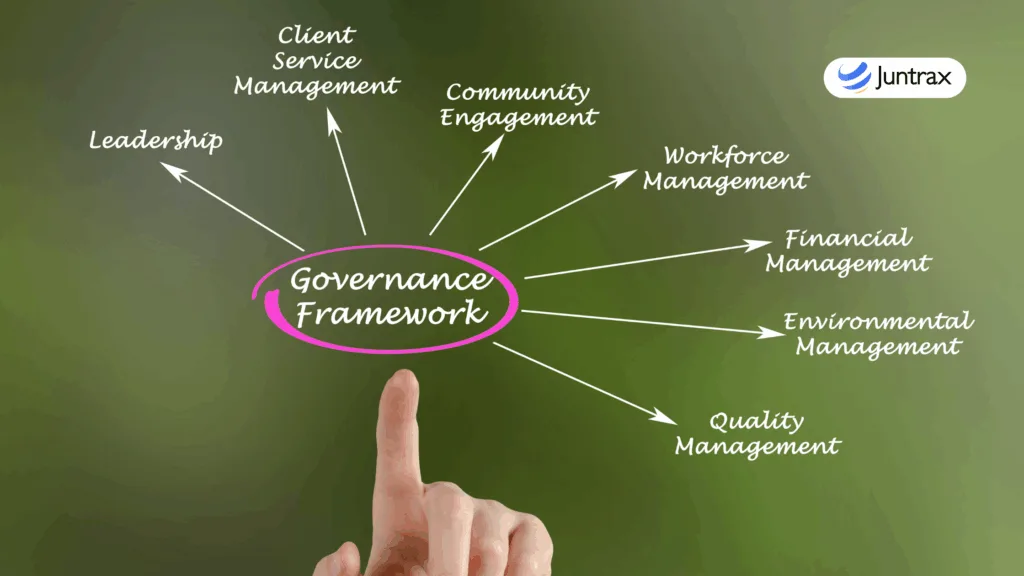
Project governance is the framework of rules, roles, processes, and decision-making responsibilities that define how a project is directed and controlled.
It ensures that the project’s objectives align with the organization’s strategic goals, and that all stakeholders are informed, accountable, and involved at the right stages of the project.
It defines:
-
Who makes decisions
-
How decisions are made
-
How performance is measured
-
What controls and checks are in place
Key Objectives of Project Governance
A strong governance framework ensures:
-
Clear Accountability: Every team member and stakeholder understands their roles, responsibilities, and authority levels.
-
Strategic Alignment: Projects directly support business objectives and priorities.
-
Transparency: All key decisions, changes, and risks are communicated and documented.
-
Consistency: A standardized governance structure ensures all projects follow the same principles and quality expectations.
-
Risk Control: Early identification and mitigation of risks through regular review and escalation processes.
Core Components of a Project Governance Framework
Building an effective project governance structure involves defining several key components:
1. Governance Structure
Establish a clear hierarchy of roles and committees responsible for oversight, such as:
-
Project Sponsor – Provides funding, strategic direction, and support.
-
Project Steering Committee – Oversees progress, approves key changes, and resolves major issues.
-
Project Manager – Manages day-to-day execution and ensures delivery within scope, time, and cost.
-
Project Team – Executes assigned tasks under defined responsibilities.
2. Decision-Making Process
Define how decisions are made, who approves what, and how escalations are handled.
For example, project scope changes may require steering committee approval, while budget reallocations might need executive consent.
3. Reporting and Communication
Establish reporting mechanisms for project updates, risks, and milestones.
Regular reporting helps maintain visibility and keeps stakeholders engaged throughout the project lifecycle.
4. Performance Monitoring
Use KPIs and project metrics to track performance and identify issues early.
Examples include:
-
Schedule variance
-
Budget variance
-
Risk exposure
-
Stakeholder satisfaction
5. Risk and Issue Management
Governance frameworks should include structured processes for identifying, assessing, and mitigating project risks before they escalate.
Importance of Project Governance
Without governance, projects can quickly lose direction, overspend, or fail to deliver meaningful results.
Here’s why it’s so important:
-
Prevents scope creep: Ensures changes are reviewed and approved before implementation.
-
Improves accountability: Everyone knows who is responsible for what.
-
Increases stakeholder confidence: Transparent reporting builds trust in project outcomes.
-
Supports informed decision-making: Leaders have accurate, timely data to guide choices.
-
Drives continuous improvement: Lessons learned from one project can enhance governance for future ones.
In short, project governance ensures that projects are not just completed — but completed successfully.
Best Practices for Strong Project Governance
To create a governance structure that works, consider these best practices:
-
Align with Organizational Strategy: Governance should reinforce company goals and not operate in isolation.
-
Define Clear Roles and Responsibilities: Avoid overlap and confusion in authority and accountability.
-
Ensure Consistent Communication: Keep stakeholders informed through structured updates and meetings.
-
Maintain Flexibility: Adapt governance to project size, complexity, and risk.
-
Use Technology for Visibility: Modern project management software provides dashboards, analytics, and reporting that enhance governance oversight.
-
Promote a Culture of Accountability: Governance isn’t just about control — it’s about empowering teams to make informed, responsible decisions.
Project Governance vs. Project Management
Although they’re closely related, project governance and project management serve different purposes:
| Aspect | Project Governance | Project Management |
|---|---|---|
| Focus | Direction and oversight | Execution and delivery |
| Responsibility | Senior management and sponsors | Project manager and team |
| Purpose | Ensures alignment with strategy | Ensures project success within scope |
| Key Activities | Decision-making, accountability, and reporting | Planning, scheduling, and monitoring |
Simply put:
Governance decides what should be done.
Management decides how it should be done.
Both must work together for a project to succeed.
The Role of Technology in Project Governance
Modern project management software plays a vital role in strengthening governance.
By centralizing data, automating reporting, and tracking performance metrics, these tools provide transparency and accountability across all stages of a project.
They help governance teams make informed decisions based on real-time insights — ensuring that oversight doesn’t slow down progress but enables it.
Also Read: Professional Services Automation: Complete Guide for 2025(Opens in a new browser tab)
Conclusion
A strong governance framework defines clear accountability, enables informed decision-making, and keeps projects aligned with strategic goals. When done right, project governance transforms project management from a tactical process into a strategic advantage.
FAQs
Q1. What is the purpose of project governance?
Project governance ensures that projects are aligned with organizational objectives, managed responsibly, and delivered successfully within defined parameters of scope, time, and budget.
Q2. Who is responsible for project governance?
Typically, governance is overseen by project sponsors, steering committees, and senior leadership — with input from project managers and stakeholders.
Q3. How does project governance differ from project management?
Governance defines what decisions are made and who makes them, while management focuses on how those decisions are executed.
Q4. Can small businesses implement project governance?
Absolutely. Even small teams can benefit from lightweight governance practices — such as clear roles, reporting routines, and decision frameworks.
Q5. How can software support project governance?
Modern project management tools help track progress, automate reporting, and improve visibility, making governance more transparent and data-driven.